WhatsApp for Clinics & Dentists: Bookings & Reminders (2026)
Part of WhatsApp for Business: The Complete Guide
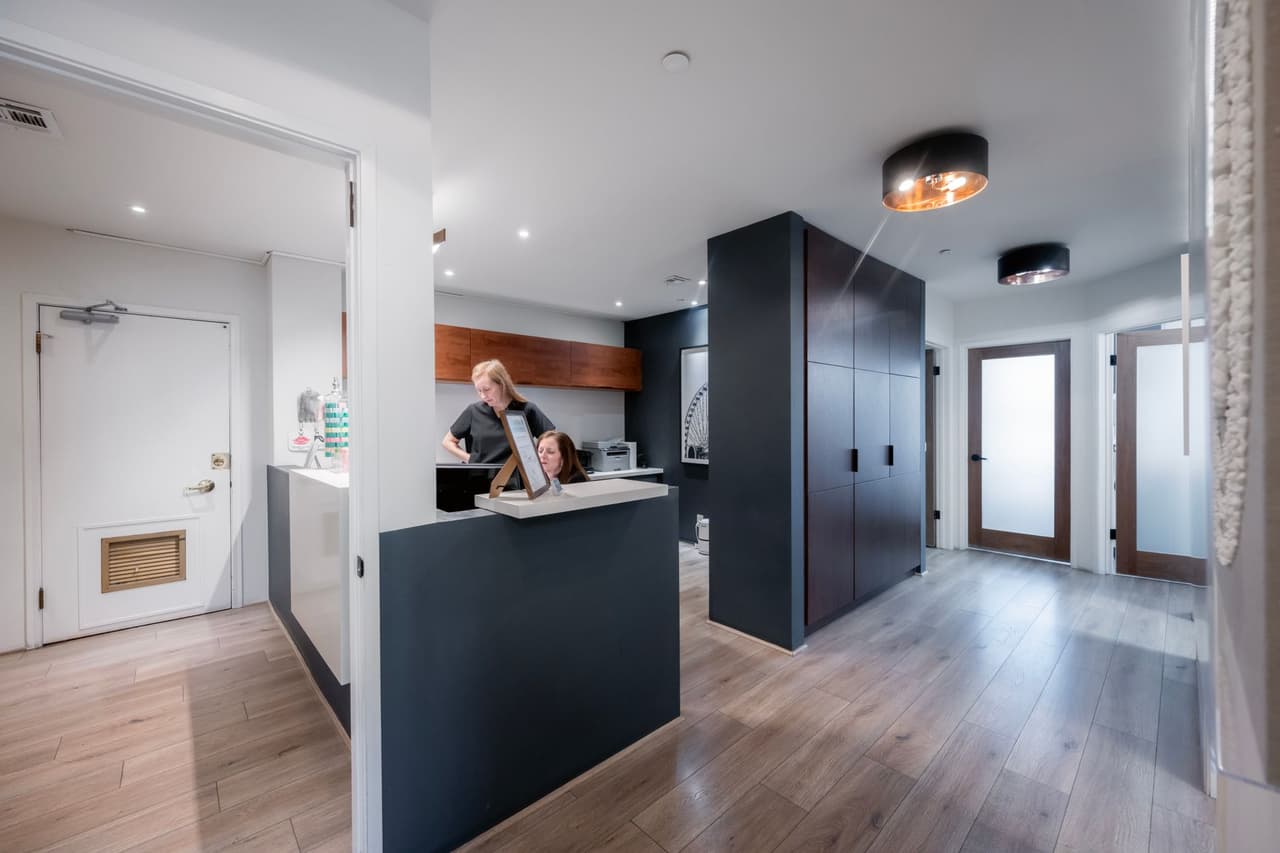
Clinics and dental practices run on appointments — and lose money two ways: missed calls when the front desk is busy with patients, and no-shows that leave chairs empty. WhatsApp tackles both. Patients book and ask questions by message, reminders actually get read, and with an AI receptionist your front desk effectively never closes. Here's how clinics use WhatsApp to fill the diary and free up staff.
Why clinics are moving to WhatsApp
A clinic front desk is stretched thin: greeting patients in person, answering the phone, and managing the schedule all at once. Calls get missed, callers get put on hold, and after hours nobody answers at all. WhatsApp helps because:
- Patients prefer messaging — no hold music, no phone tag.
- The front desk isn't interrupted — messages are answered between tasks, or automatically.
- After-hours enquiries are captured — people often sort out appointments in the evening.
- Reminders reduce no-shows — the single biggest revenue leak for appointment-based clinics.
Booking and rescheduling by message
Let patients request appointments in a chat rather than tying up the phone. A greeting message can gather what you need up front:
"Hi! Thanks for messaging [Clinic]. Let us know the treatment you need and a couple of preferred times, and we'll confirm your appointment."
Rescheduling becomes painless too — a patient can message "can we move Thursday to next week?" instead of calling during your busy hours. For the full flow, see WhatsApp appointment booking.
Answer patient questions 24/7
Front desks field the same questions endlessly: "Are you open Saturday?", "Do you do teeth whitening?", "Where do I park?", "Do you take walk-ins?", "How much is a check-up?" Every one interrupts patient care.
An AI receptionist answers these instantly, around the clock, from your own information — services, hours, location, pricing for standard treatments — so your staff can focus on the patients in front of them. It understands text and voice notes, replies in the patient's language, and hands off to a human for anything clinical or complex.
Cut no-shows with reminders
No-shows are brutal for clinics: an empty slot is lost revenue you usually can't refill on short notice. WhatsApp reminders are the most effective fix because they get read:
- Send a reminder the day before ("Reminder: your dental check-up is tomorrow at 10:30am. Reply to reschedule.").
- Let patients reply to rebook rather than silently missing.
- Confirm on booking with date, time, and clinician to avoid mix-ups.
Automated reminders (via approved template messages) can meaningfully lower no-show rates — protecting both your schedule and your income.
A note on privacy
Clinics handle sensitive information, so use WhatsApp thoughtfully. Messages are end-to-end encrypted in transit, but:
- Keep clinical details out of chat. Use WhatsApp for scheduling, reminders, and general questions — not diagnoses or sensitive records.
- Follow your local healthcare privacy laws on what may be communicated and how.
- Get patient consent before sending proactive reminders.
Used for the front-desk layer — booking, reminders, FAQs — WhatsApp is a safe, huge time-saver. Handle clinical information through your appropriate secure systems.
The takeaway
For clinics and dental practices, WhatsApp turns booking, rescheduling, and patient questions into simple messages — no missed calls, no hold music, and far fewer no-shows. Let patients book by message, use reminders to protect your schedule, and put an AI receptionist on the front line to answer routine questions 24/7 while your staff focus on care. Keep clinical details in your secure systems, and let WhatsApp handle the scheduling layer. Try ChatMunshi free and give your clinic a front desk that never closes.
Frequently asked questions
How can a clinic use WhatsApp for appointments?
Patients can request and confirm appointments by message instead of calling, and you can send reminders. With an AI receptionist connected to your WhatsApp, patients can book 24/7, get answers about services and hours instantly, and receive automated reminders — freeing your front desk.
Does WhatsApp reduce no-shows for clinics?
Yes. Appointment reminders sent on WhatsApp the day before are read far more than emails, and let patients reply to reschedule instead of simply not showing. Automated reminders via the WhatsApp Business API can significantly cut no-shows, which protects clinic revenue.
Is WhatsApp safe for patient communication?
WhatsApp messages are end-to-end encrypted in transit, but clinics should avoid collecting sensitive medical details in chat and follow local healthcare privacy laws. Use WhatsApp for scheduling, reminders, and general questions, and handle clinical information through appropriate secure channels.
Can WhatsApp answer patient questions automatically?
Yes. An AI receptionist answers common questions — opening hours, services offered, location, whether you take a certain insurance or treatment — instantly and 24/7, from your own information, handing off to staff for anything clinical or complex.