WhatsApp for Pharmacies: Refills, Queries & Reminders (2026)
Part of WhatsApp for Business: The Complete Guide
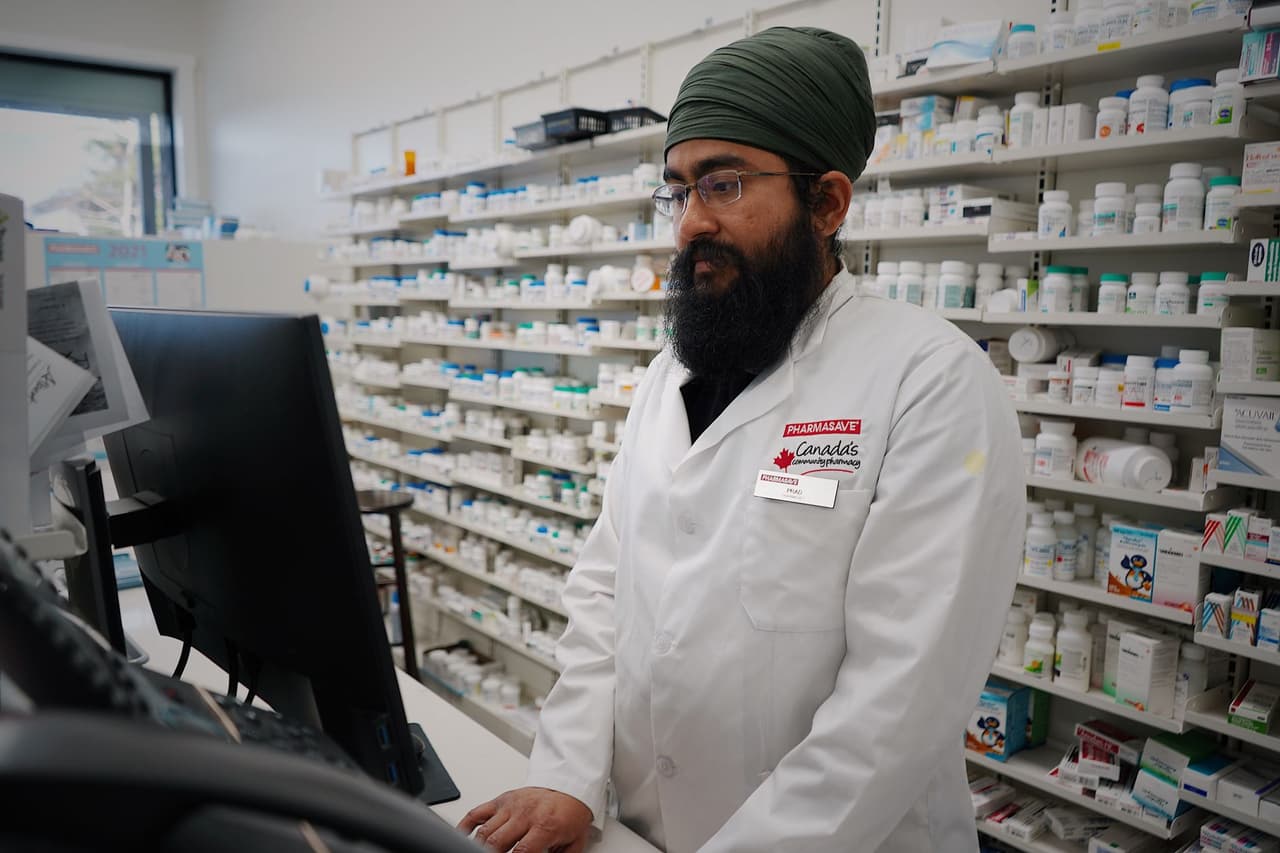
A pharmacy phone rings all day with the same questions: is my prescription ready, do you have this in stock, what time do you close, can I refill my medication. Each call pulls staff away from patients at the counter. WhatsApp absorbs that flood — patients message instead of calling, refill requests come in cleanly, and reminders go out automatically. Here's how pharmacies use it, safely.
Why pharmacies are turning to WhatsApp
Pharmacy teams are stretched: dispensing, advising patients in person, and answering a constantly ringing phone. WhatsApp helps because:
- Patients prefer messaging to waiting on hold.
- Routine queries move off the phone, freeing staff for the counter.
- Refill logistics get simpler — a clear message beats a rushed call.
- Reminders reduce missed collections and missed doses.
The result is a calmer pharmacy, shorter queues, and patients who feel looked after.
Take refill requests by message
Instead of a phone call mid-rush, patients can message their refill request, and you confirm and notify them when it's ready to collect:
"Hi! To request a refill, send us your name and the medication, and we'll message you when it's ready to collect. 💊"
This keeps requests organized and gives patients a clear "ready for collection" ping — supporting click-and-collect and cutting no-shows for pickups. (Keep the exchange to logistics, not clinical detail — see privacy below.)
Answer the endless routine queries 24/7
The questions that flood the phone are perfect for automation. An AI receptionist answers them instantly, around the clock, from your own information:
- "What time are you open?" / "Are you open now?"
- "Do you have [product] in stock?"
- "Where are you / do you deliver?"
- "Is my prescription ready?" (status logistics)
- General over-the-counter product questions.
That's a huge share of daily calls handled automatically, so your pharmacists focus on dispensing and advising patients — not the phone. You can also showcase OTC products with a catalog.
Send reminders that matter
WhatsApp reminders get read, which makes them ideal for the nudges that keep patients healthy and your workflow smooth (with consent):
- Ready-for-collection alerts so prescriptions don't sit uncollected.
- Refill-due reminders so patients don't run out.
- Medication reminders where appropriate.
These reduce waste, missed doses, and uncollected stock. See how reminders work in practice.
Handle health data properly
Pharmacies handle sensitive information, so use WhatsApp carefully:
- Keep clinical details out of chat. Use it for logistics — refill requests, ready alerts, hours, stock, general product questions — not sensitive medical discussion or advice.
- Follow your local pharmacy and data-protection regulations on what may be communicated and how.
- Get patient consent before proactive messages, and route confidential matters through appropriate secure channels.
Used for the front-desk layer, WhatsApp is a safe, major time-saver.
The takeaway
For pharmacies, WhatsApp moves the constant flood of routine queries — refill status, stock, hours — off the phone and onto a channel patients prefer, takes refill requests cleanly, and sends collection and refill reminders that cut waste and missed doses. Let an AI receptionist handle the routine questions 24/7 so your team focuses on patients and dispensing, and keep clinical details in secure channels. Try ChatMunshi free and give your pharmacy a front desk that answers while you dispense.
Frequently asked questions
How can a pharmacy use WhatsApp?
Pharmacies use WhatsApp to take prescription refill requests, answer stock and product queries, share opening hours and location, send collection and medication reminders, and support click-and-collect. An AI receptionist can handle the constant routine queries 24/7, freeing pharmacy staff for patients at the counter.
Can patients request prescription refills on WhatsApp?
Yes. Patients can message their refill request, and the pharmacy can confirm and notify them when it's ready to collect. Keep clinical details out of chat and follow your local pharmacy and data-protection regulations; use WhatsApp for the logistics of refills and collection rather than sensitive medical discussion.
Is WhatsApp safe for pharmacy communication?
WhatsApp messages are end-to-end encrypted in transit, but pharmacies handle sensitive health data and must follow local privacy and pharmacy regulations. Use WhatsApp for non-sensitive logistics — refill requests, ready-for-collection alerts, hours, general product questions — and handle confidential medical information through appropriate secure channels.
Can WhatsApp reduce pharmacy phone calls?
Significantly. The same questions — 'is my prescription ready?', 'do you have X in stock?', 'what time do you close?' — flood the phone all day. An AI receptionist answers them instantly on WhatsApp, cutting call volume so staff can focus on patients and dispensing.