Free WhatsApp Chatbots: Do They Actually Work?
Part of WhatsApp for Business: The Complete Guide
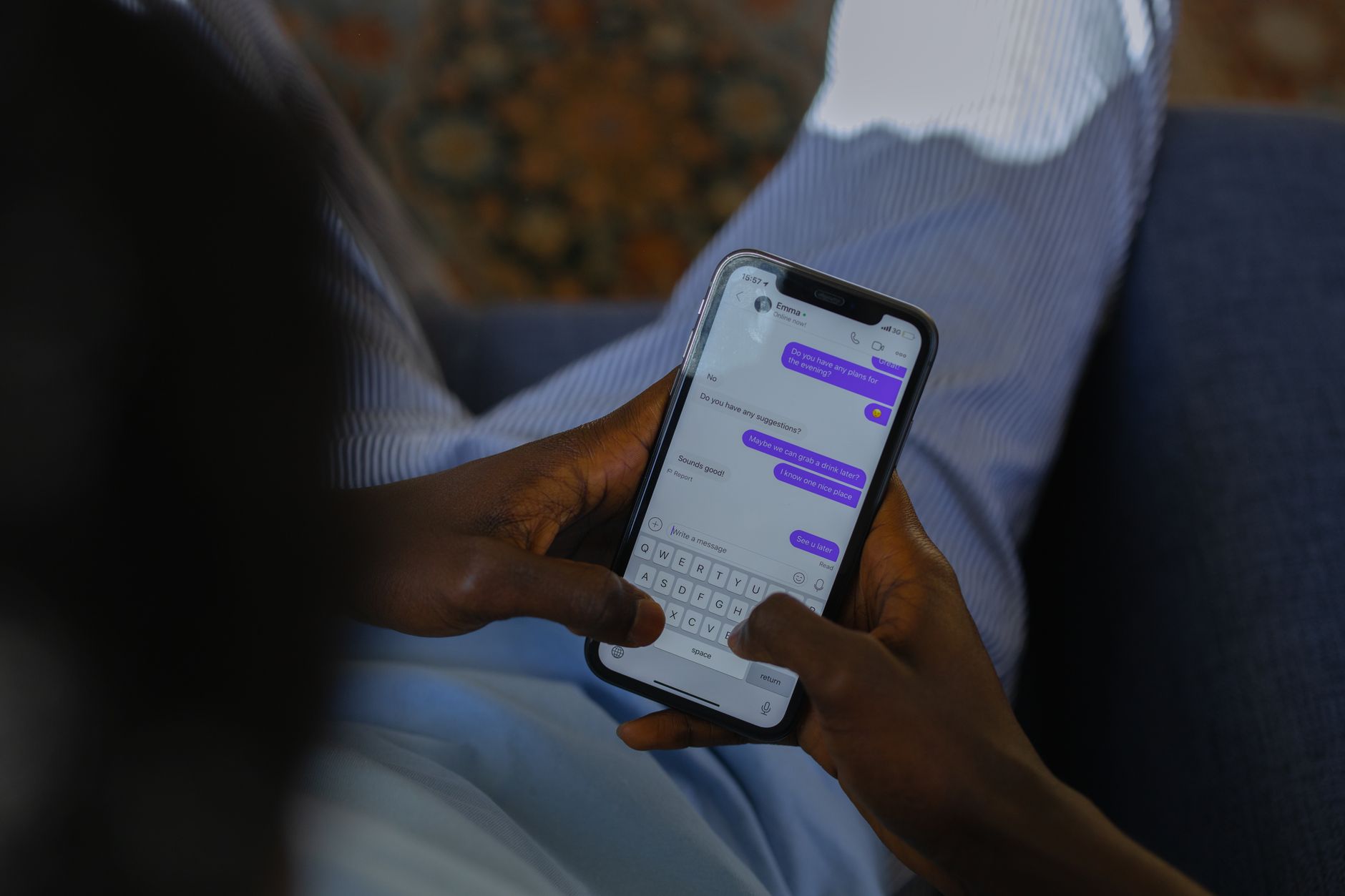
Type "free WhatsApp chatbot" into any search bar and you'll get a wall of promises. The reality is more nuanced — and worth understanding before you pick a tool. Some "free" options are genuinely useful, some are useless, and a few are downright risky. Here's an honest breakdown of what free actually gets you, the catches nobody mentions, and when paying quietly saves you money.
What "free" really means on WhatsApp
There are three very different things people call a "free WhatsApp chatbot":
1. The free WhatsApp Business app's auto-replies. This is genuinely free and official. The app includes automated greeting and away messages — a basic bot that acknowledges customers automatically. It's real and costs nothing, but it's limited (more below).
2. Free tiers and trials of chatbot platforms. Many chatbot tools offer a free plan or a trial. These let you test real automation, but the free tier is almost always capped — a small number of contacts or conversations per month, limited features, or the platform's branding on your messages.
3. Unofficial "free" automation apps. The risky category. Third-party apps that promise free bulk sending or automation but aren't official WhatsApp providers. These can get your number banned and often demand invasive phone permissions. Avoid them.
So "free" isn't one thing. The honest question is: what does each actually do for your business?
What a free chatbot can and can't do
The free WhatsApp Business app's auto-replies are a fair baseline. Here's the reality:
What free auto-replies do well:
- Send a warm greeting to new customers automatically.
- Send an away message when you're closed or busy.
- Set expectations so customers don't feel ignored.
What they can't do:
- Answer a question. They send fixed text — they can't read "how much is a haircut?" and reply with the price.
- Reply differently to different people. Everyone gets the same canned line.
- Understand voice notes — and a huge share of customers now send voice.
- Take a booking or share the right link based on what was asked.
- Reply in the customer's language.
That's the ceiling of free. It acknowledges customers; it doesn't serve them. For many businesses that gap — between "we'll get back to you" and an actual answer — is exactly where customers slip away. (We break the setup down in our auto-reply guide.)
The hidden costs of "free"
Free rarely means zero cost. Watch for:
- Per-conversation WhatsApp fees. Once you use the API (which any real chatbot needs), WhatsApp itself charges for certain conversations. A "free" platform doesn't make those disappear.
- Contact and message caps. Free tiers throttle you — fine for testing, frustrating once you're busy.
- Your time. The biggest hidden cost. A free bot that can't answer questions means you still answer them, at midnight and on your day off.
- Lost customers. The most expensive cost of all. If a free bot only says "we'll reply soon" and the customer leaves, that lost sale dwarfs any subscription fee.
When paying is actually cheaper
Here's the counterintuitive part: a paid AI chatbot is often the cheaper option once you count what free costs you.
Do the math on your own business. If instant, 24/7 replies win back even one or two customers a month that you'd otherwise lose to a slow response, and your average sale is more than a few dollars, a flat monthly subscription pays for itself many times over. Add the hours you stop spending answering the same five questions, and the case gets stronger.
A capable AI chatbot doesn't just acknowledge customers — it reads each message (or voice note), understands it, and replies with the real answer from your prices, hours, and services, in the customer's language, around the clock. That's the difference between a free bot that holds a customer's place in line and a paid one that closes the sale at 10pm.
Look for pricing that's flat and predictable with AI included — not per-message markups that punish you for being busy. That honesty is worth paying for. Compare the options in our AI WhatsApp assistant and no-code chatbot guides.
How to try it without risk
You don't have to guess. The sensible path:
- Start with the free app's auto-replies today — there's no reason not to have a greeting and away message running.
- Use a free trial of a real AI chatbot platform to see how many questions it actually resolves on your own customers.
- Measure the difference — faster replies, fewer missed messages, recovered bookings — over a couple of weeks.
- Decide with numbers, not hype. If it earns back more than it costs, keep it. If not, you've lost nothing.
Just steer clear of unofficial bulk-sender apps, however tempting "free forever" sounds — a banned number costs far more than any subscription.
The takeaway
Truly free WhatsApp chatbots exist — the built-in greeting and away messages — but they only acknowledge customers, they don't answer them. Free platform tiers are good for testing but capped, and unofficial free apps risk your number. The real question isn't "is it free?" but "what is free costing me in lost customers and wasted hours?" For most busy businesses, a flat-fee AI chatbot that actually answers pays for itself fast. Try ChatMunshi free and see how many messages it resolves for you before you spend a cent.
Frequently asked questions
Is there a truly free WhatsApp chatbot?
Sort of. The free WhatsApp Business app includes basic automated greeting and away messages, which is a simple 'chatbot' at no cost. Full chatbot platforms often have free trials or limited free tiers, but a genuinely capable AI chatbot with no ongoing cost is rare — and WhatsApp itself charges per conversation for some API messages.
What can a free WhatsApp chatbot actually do?
At the free end, mostly canned auto-replies: a greeting to new contacts and an away message when you're offline. These acknowledge customers but can't read a question or answer with prices, hours, or bookings. Free tiers of chatbot platforms usually cap contacts, conversations, or features.
Are free WhatsApp chatbot apps safe?
Be careful. Unofficial 'free' bulk-sender or automation apps that aren't official WhatsApp providers can get your number banned and may abuse phone permissions. Stick to the official WhatsApp Business app or a verified API platform, even on a free plan.
When is it worth paying for a WhatsApp chatbot?
When missed or slow replies are costing you sales. If a chatbot recovers even one or two customers a month that you'd otherwise lose to a slow response, a flat monthly fee usually pays for itself many times over.